The Transformative Power of Daily Prayer: Finding Spiritual Strength in Modern Life
Discover how incorporating consistent prayer practices can provide spiritual strength, mental clarity, and profound connection in our fast-paced world
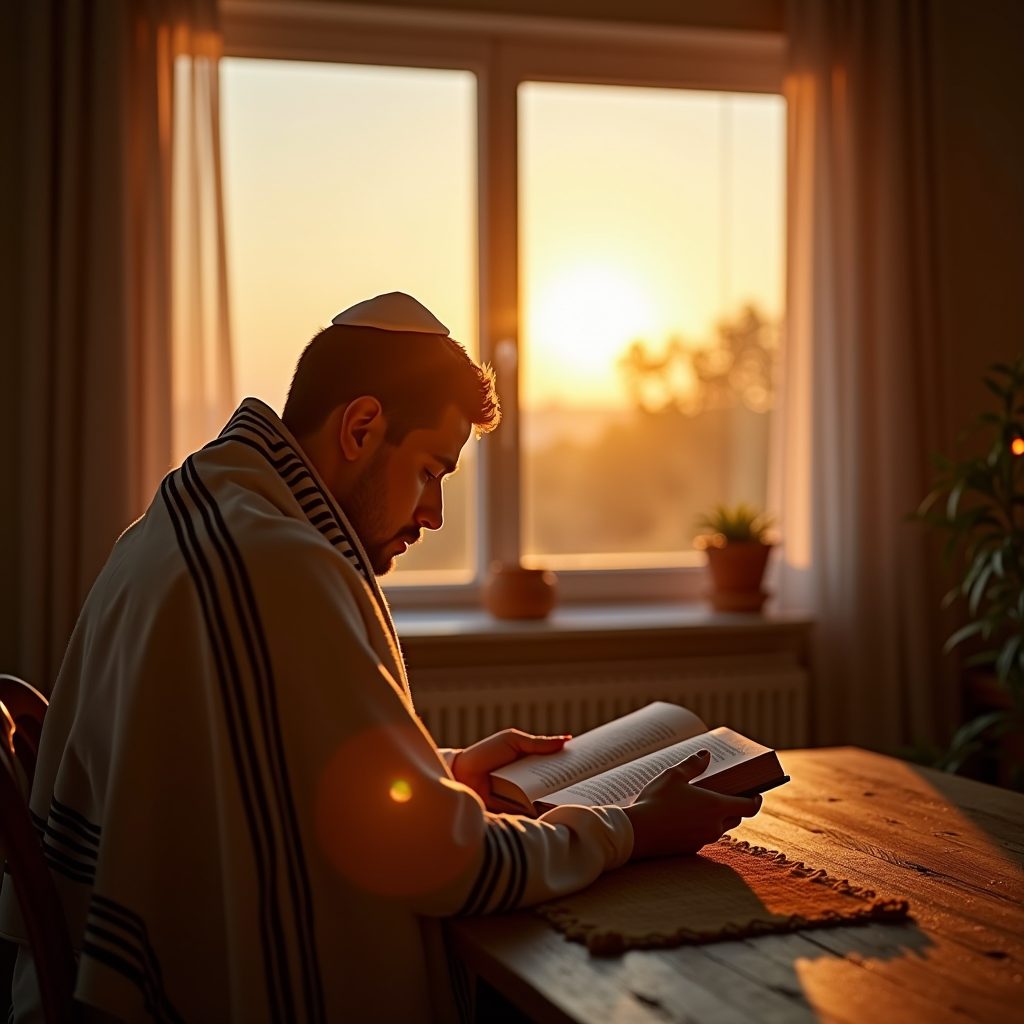
In an era defined by constant connectivity, endless notifications, and the relentless pace of modern life, many of us find ourselves searching for moments of genuine peace and spiritual connection. The ancient practice of daily prayer offers not just a respite from the chaos, but a transformative pathway to deeper faith, mental clarity, and emotional resilience. For Jewish communities worldwide, the tradition of regular prayer has sustained generations through times of both celebration and challenge, providing an anchor of meaning in an ever-changing world.
The beauty of incorporating daily prayer into your routine lies not in perfection, but in consistency and intention. Whether you're reconnecting with childhood traditions or exploring Jewish prayer practices for the first time, the journey toward a meaningful prayer life begins with a single step—and that step can be taken today, right where you are.
Understanding the Foundation: Why Daily Prayer Matters
The Jewish tradition prescribes three daily prayer services—Shacharit in the morning, Mincha in the afternoon, and Ma'ariv in the evening—each corresponding to different spiritual energies and historical moments in our people's journey. These structured times of prayer create a rhythm that sanctifies the entire day, transforming ordinary hours into opportunities for divine connection and self-reflection.
Rabbi Sarah Goldstein, who has led our community's prayer workshops for over fifteen years, explains: "Prayer isn't about reciting words mechanically. It's about creating a conversation with the Divine, with ourselves, and with our deepest values. When we pray daily, we're not just fulfilling an obligation—we're building a relationship that sustains us through every aspect of life."
Modern neuroscience has begun to validate what our ancestors knew intuitively: regular prayer and meditation practices literally reshape our brains, reducing stress hormones, increasing emotional regulation, and enhancing our capacity for compassion and gratitude. The Hebrew word for prayer, "tefillah," comes from the root meaning "to judge oneself," suggesting that prayer is fundamentally an act of honest self-examination and spiritual alignment.
"Before I started praying daily, I felt scattered and reactive. Now, those twenty minutes each morning ground me in what truly matters. Prayer has become my spiritual compass, helping me navigate difficult decisions and maintain perspective during challenging times."
— David Levine, Community Member
Practical Steps: Building Your Daily Prayer Practice
Starting a consistent prayer practice can feel overwhelming, especially if you're balancing work, family, and countless other responsibilities. The key is to begin small and build gradually, allowing your practice to evolve naturally rather than forcing yourself into an unsustainable routine.
Start With Morning Blessings
The morning blessings, or Birchot HaShachar, offer an accessible entry point into daily prayer. These brief blessings express gratitude for fundamental aspects of existence—waking up, having sight, being able to stand, having clothing to wear. By beginning your day with these acknowledgments, you cultivate an attitude of appreciation that colors everything that follows.
Consider setting your alarm fifteen minutes earlier than usual. Use this time not for checking emails or scrolling through news, but for connecting with something deeper. Keep your siddur (prayer book) on your nightstand as a visual reminder. Many community members find that having a dedicated prayer book, perhaps one that was a gift or has personal significance, makes the practice feel more meaningful and intentional.
Create a Sacred Space in Your Home
You don't need an elaborate setup to create a meaningful prayer space. A quiet corner with a comfortable chair, good lighting, and perhaps a small bookshelf for your Jewish texts can become your personal sanctuary. Some people add meaningful objects—a photograph of grandparents, a piece of Judaica from Israel, or a simple plant that reminds them of growth and renewal.
Rachel Abrams, a mother of three who works full-time as a healthcare administrator, shares her experience: "I converted a small corner of our bedroom into my prayer space. It's nothing fancy—just a comfortable chair facing the window, my grandmother's candlesticks, and my prayer books. But knowing that space is there, waiting for me each morning, makes it so much easier to maintain consistency. My children have learned to respect that when I'm in 'my corner,' I'm having my special time with God."
Use Technology Mindfully
While traditional prayer books remain irreplaceable for many, smartphone apps and online resources can support your practice, especially when you're traveling or just beginning. Apps like Siddur Ashkenaz or RustyBrick's Jewish Prayer Times can help you learn proper pronunciation, understand translations, and keep track of prayer times. However, be intentional about using technology as a tool rather than a distraction—consider putting your phone in airplane mode during prayer time to avoid interruptions.
Deepening Understanding: The Meaning Behind Traditional Blessings
One of the most common obstacles to meaningful prayer is the feeling of reciting words without understanding their significance. The Hebrew language carries layers of meaning that often get lost in translation, and many traditional prayers reference biblical stories, rabbinic teachings, and historical events that may be unfamiliar.
Taking time to study the prayers you're reciting transforms them from rote recitation into genuine spiritual expression. The Shema, for instance, isn't just a declaration of God's unity—it's a call to integrate that awareness into every aspect of our lives, to see divine presence in all creation, and to pass these values to future generations.
The Amidah, the standing prayer that forms the core of each service, contains nineteen blessings that address everything from wisdom and repentance to healing and peace. Each blessing represents a different aspect of our relationship with the Divine and with our community. When we understand that the blessing for healing isn't just about physical wellness but about wholeness and restoration in all its forms, our recitation becomes infused with deeper intention.
Study Resources for Deeper Understanding
- Join our weekly Torah study sessions where we explore the meaning and history of different prayers
- Invest in a commentary-rich siddur like the Koren Sacks Siddur or ArtScroll's Transliterated Linear Siddur
- Attend our monthly "Prayer Workshop" series led by Rabbi Goldstein
- Explore online resources from organizations like Mechon Hadar and MyJewishLearning
Overcoming Common Challenges and Obstacles
Even with the best intentions, maintaining a daily prayer practice presents real challenges. Life gets busy, motivation wanes, and sometimes prayer can feel dry or mechanical. Acknowledging these obstacles and developing strategies to address them is crucial for long-term success.
When Time Feels Scarce
The full morning service can take forty-five minutes to an hour, which feels impossible for many people juggling demanding schedules. Remember that Jewish law recognizes this reality and provides flexibility. If you can't complete the entire service, focus on the essential elements: the Shema and its blessings, and the Amidah. Even ten minutes of focused prayer is infinitely more valuable than an hour of distracted, resentful recitation.
Michael Chen, a software engineer and father of two young children, found his solution: "I wake up thirty minutes before my kids and pray the abbreviated service. On Sundays, when my wife takes the kids to her parents' house for brunch, I attend the full morning service at synagogue. It's not perfect, but it works for this season of my life. The key was letting go of all-or-nothing thinking."
Dealing With Spiritual Dryness
There will be days, perhaps even weeks, when prayer feels empty or meaningless. This is a normal part of any spiritual practice. Rather than abandoning prayer during these dry periods, consider them opportunities for growth. Sometimes we pray not because we feel inspired, but because we're committed to showing up regardless of how we feel. This kind of faithfulness often leads to unexpected breakthroughs.
Try varying your approach during difficult periods. Pray outdoors if weather permits. Focus on different sections of the service. Add personal prayers in your own words after the traditional liturgy. Study a commentary on the prayers you're reciting. Sometimes changing the external circumstances can reignite internal connection.
Community Testimonies: Real Stories of Transformation
The true power of daily prayer becomes evident in the lives it transforms. Members of our community have generously shared their experiences, offering both inspiration and practical wisdom for those beginning or renewing their prayer practice.
"After my father passed away, I committed to saying Kaddish three times daily for eleven months. What began as an obligation became a lifeline. Those prayer times became sacred appointments where I processed my grief, felt connected to my father's memory, and found comfort in the rhythms of Jewish tradition. Even after the mourning period ended, I couldn't imagine starting my day without morning prayers. It had become as essential as breathing."
— Rebecca Stein, Educator
Joshua Friedman, a recent college graduate navigating career decisions, discovered prayer's practical benefits: "I was skeptical at first—I'm not naturally religious, and the Hebrew was intimidating. But I made a deal with myself to try daily morning prayers for thirty days. By the end of that month, I noticed I was less anxious, more focused at work, and better able to handle setbacks. The prayers about gratitude and trust in divine providence actually rewired how I think about challenges. Now, two years later, I can't imagine my life without this practice."
For Sarah and Daniel Rosenberg, a couple married for thirty-five years, joint prayer became a way to strengthen their relationship: "We started praying together every Shabbat morning, and gradually added weekday mornings when our schedules aligned. Having that shared spiritual practice created a deeper intimacy than we'd experienced in years. We're not just life partners—we're prayer partners, supporting each other's spiritual growth and holding space for each other's relationship with God."
Moving Forward: Your Next Steps
Beginning or deepening a daily prayer practice is a journey, not a destination. There's no single "right way" to pray, and your practice will naturally evolve as your life circumstances and spiritual needs change. The most important thing is to start—today, right now, with whatever time and energy you have available.
Consider these action steps as you move forward:
- Choose one prayer time to commit to consistently — whether morning, afternoon, or evening, pick the time that works best for your schedule and stick with it for at least thirty days.
- Acquire the tools you need — invest in a good siddur, create your prayer space, and gather any ritual items (tallit, tefillin) that are part of your practice.
- Find an accountability partner — whether a friend, family member, or study partner, having someone to share your journey makes consistency easier.
- Join communal prayer when possible — while personal prayer is valuable, praying with a minyan adds a powerful dimension of community connection.
- Be patient with yourself — building any new habit takes time, and spiritual practices are no exception. Celebrate small victories and don't let occasional missed days derail your overall commitment.
- Keep learning — attend classes, read commentaries, and continually deepen your understanding of the prayers you're reciting.
Our community offers numerous resources to support your prayer journey. Weekly study sessions explore different aspects of the prayer service, monthly workshops provide hands-on guidance for beginners, and our lending library contains dozens of books on Jewish prayer and spirituality. Most importantly, you're not alone in this journey—our community is filled with people at every stage of their prayer practice, all supporting each other's growth.
Rabbi Goldstein reminds us: "The Hebrew word for prayer, tefillah, is reflexive—it means to judge oneself, to examine oneself. When we pray, we're not trying to change God's mind or manipulate divine will. We're opening ourselves to transformation, aligning our will with divine purpose, and becoming more fully the people we're meant to be. That's why consistency matters more than perfection. Each day we show up for prayer, we're choosing growth, choosing connection, choosing to live with intention rather than simply reacting to whatever life throws at us."
The journey of a thousand miles begins with a single step. Your journey toward a deeper, more consistent prayer life can begin today. Whether you're returning to practices you once knew or exploring Jewish prayer for the first time, know that every sincere effort is valued, every moment of connection is precious, and every step forward is a blessing.
May your prayer practice bring you strength, clarity, and deep spiritual connection. May you find in these ancient words a source of comfort during difficult times and joy during moments of celebration. And may your daily conversations with the Divine transform not just your spiritual life, but every aspect of your existence.