Celebrating Jewish Holidays with Your Family: A Complete Guide
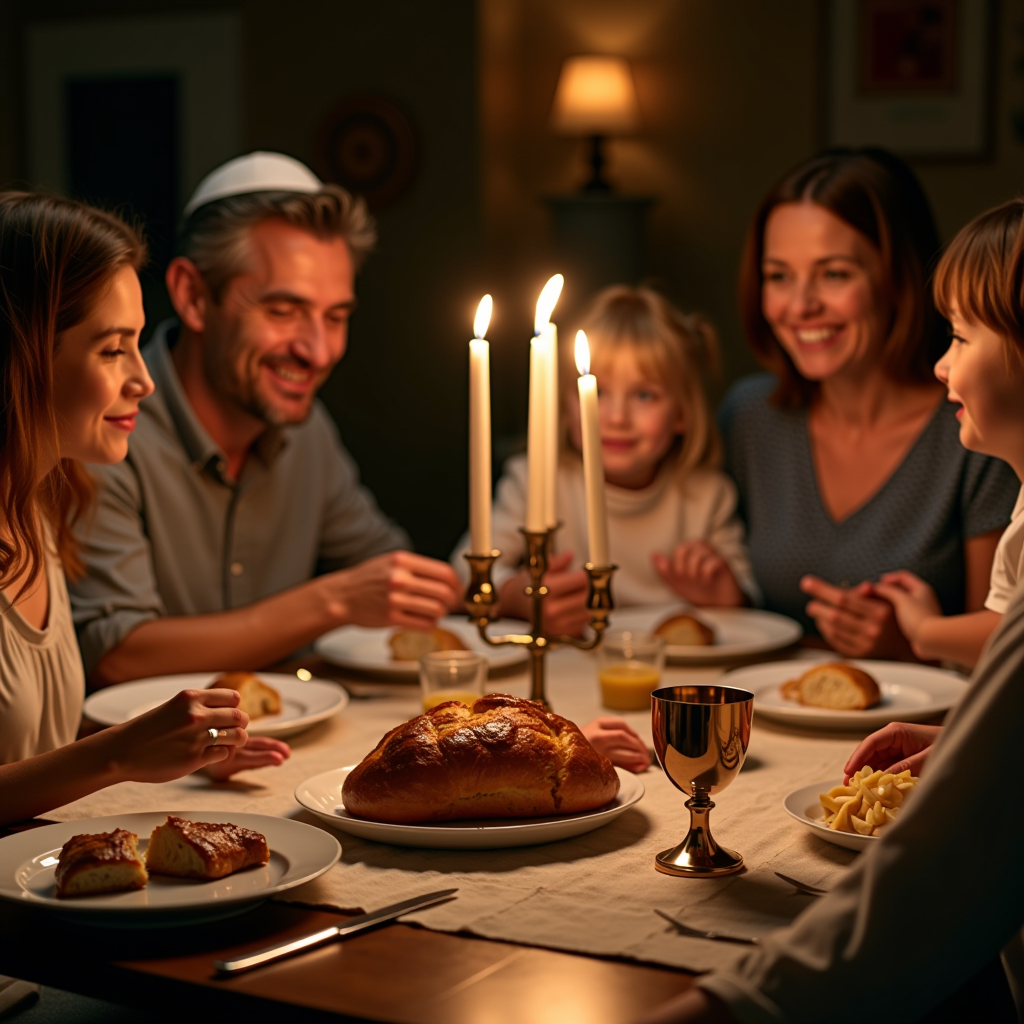
Jewish holidays offer precious opportunities to connect with faith, family, and tradition throughout the year. Whether you're establishing new customs or enriching existing ones, creating meaningful holiday experiences can deepen your family's spiritual life and create lasting memories that span generations.
Understanding the Jewish Holiday Calendar
The Jewish calendar follows a lunar cycle, which means holiday dates shift each year on the Gregorian calendar. This ancient system connects us to thousands of years of tradition while reminding us of the natural rhythms that governed our ancestors' lives. Understanding this calendar helps families plan ahead and appreciate the seasonal significance of each celebration.
Each holiday carries its own unique character and spiritual message. From the introspection of the High Holy Days to the joy of Purim, from the freedom narrative of Passover to the agricultural thanksgiving of Sukkot, the Jewish year offers a complete cycle of spiritual growth and celebration. Religious organizations and Jewish communities worldwide maintain these traditions, adapting them thoughtfully to contemporary family life while preserving their essential meaning.
Planning your family's holiday observances begins with awareness. Many Jewish organizations provide annual calendars that list all major and minor holidays, along with their dates and times for candle lighting. Keeping such a calendar visible in your home helps children anticipate upcoming celebrations and allows the entire family to prepare spiritually and practically for each observance.
"The beauty of Jewish holidays lies not just in their observance, but in how they weave together past, present, and future, connecting our families to an unbroken chain of tradition."
Preparing for the High Holy Days: Rosh Hashanah and Yom Kippur
The High Holy Days mark the beginning of the Jewish year and set the spiritual tone for the months ahead. Rosh Hashanah, the Jewish New Year, invites families to reflect on the past year and set intentions for renewal. Preparation begins weeks in advance with the month of Elul, a time for introspection and reconciliation.
Creating a meaningful Rosh Hashanah experience starts with involving children in holiday preparations. Baking round challah symbolizes the cyclical nature of the year, and children can help shape the dough and add raisins for sweetness. Shopping together for apples and honey provides opportunities to discuss the symbolism of sweetness and new beginnings. Many families create homemade greeting cards, combining creativity with the mitzvah of reaching out to loved ones.
The Rosh Hashanah table should reflect both tradition and your family's personality. Traditional foods like pomegranates, fish heads, and various symbolic vegetables can be presented alongside family favorites. Explain each food's significance to children, turning the meal into an educational experience. The shofar's call, whether heard in synagogue or through recordings at home, provides a powerful moment for family discussion about awakening to spiritual growth.
Yom Kippur: Teaching Children About Atonement
Yom Kippur, the Day of Atonement, presents unique challenges and opportunities for families. While adults fast and spend the day in prayer, children can participate in age-appropriate ways. Younger children might attend abbreviated services designed specifically for them, while older children can begin practicing partial fasts or focusing on other forms of self-denial like refraining from electronic devices.
The concept of teshuvah (repentance) can be made accessible to children through concrete examples. Encourage them to think about times they hurt others' feelings or made poor choices, and guide them in making amends before Yom Kippur arrives. This practice teaches accountability and the Jewish value of repairing relationships. Many Jewish organizations offer family-friendly resources and programs that help parents navigate these conversations with sensitivity and age-appropriate depth.
Sukkot and Simchat Torah: Celebrating Joy and Gratitude
Sukkot transforms your outdoor space into a temporary dwelling that commemorates the Israelites' journey through the desert. Building a sukkah together creates unforgettable family memories. Even apartment dwellers can participate by visiting community sukkahs or creating miniature versions on balconies. Children love decorating the sukkah with paper chains, artwork, and hanging fruits, making it a truly collaborative project.
Eating meals in the sukkah, despite unpredictable weather, teaches children about faith and resilience. Share stories about your ancestors' journeys and discuss what it means to trust in divine protection. Invite friends and extended family to share meals in your sukkah, fulfilling the mitzvah of hospitality while creating a festive atmosphere. The lulav and etrog provide tactile, sensory experiences that even young children can appreciate, and explaining the symbolism of the four species offers lessons about unity and diversity.
Simchat Torah, celebrating the completion and renewal of the Torah reading cycle, brings unbridled joy to Jewish communities. Children carry flags and march with Torah scrolls, experiencing the physical celebration of our most sacred text. Many religious organizations host special children's services where kids can participate in hakafot (processional circuits) and receive treats, making the holiday memorable and fun while instilling love for Torah study.
Hanukkah: Balancing Tradition with Modern Celebrations
Hanukkah's eight nights offer extended opportunities for family bonding and spiritual reflection. While gift-giving has become prominent in contemporary observance, especially in Western cultures, the holiday's core message centers on religious freedom and the miracle of the oil. Balancing these aspects helps children appreciate both the joy of receiving and the deeper meaning of the celebration.
Establish a nightly ritual that goes beyond lighting the menorah. After kindling the lights, gather for story time, sharing tales of the Maccabees or personal stories of courage and faith. Play dreidel together, explaining the Hebrew letters and their significance. Prepare traditional foods like latkes and sufganiyot, involving children in age-appropriate cooking tasks. These activities create a rich, multi-sensory experience that makes the holiday meaningful rather than merely materialistic.
Consider implementing creative gift-giving approaches that emphasize Jewish values. Some families give books on each night, building children's Jewish libraries. Others focus on experiences rather than objects, planning family outings or activities. Many Jewish organizations promote the concept of giving tzedakah (charity) during Hanukkah, teaching children that receiving blessings comes with responsibility to help others. Creating a family tzedakah box and deciding together where to donate the collected funds empowers children to participate in tikkun olam (repairing the world).
Purim: Embracing Joy and Community
Purim stands out as Judaism's most exuberant holiday, encouraging costumes, noise-making, and celebration. The Megillah reading becomes interactive theater as children boo and shake groggers whenever Haman's name appears. This participatory element makes even young children feel integral to the observance. Choosing or creating costumes together sparks conversations about the story's characters and themes of hidden identity and divine providence.
Preparing mishloach manot (gift baskets of food) teaches children about community and caring for others. Let them help select items, arrange baskets, and deliver them to neighbors, friends, and those who might be alone. This mitzvah demonstrates that Jewish celebration always includes reaching beyond our immediate family. Baking hamantaschen together provides quality time while teaching about tradition, and children take pride in sharing their creations with others.
The Purim seudah (festive meal) offers opportunities for extended family gatherings and community connection. Many religious organizations host Purim carnivals and celebrations that bring Jewish families together in joyful fellowship. These events help children see themselves as part of a larger Jewish community, fostering identity and belonging. Encourage older children to participate in Purim spiels (plays) or volunteer at community events, developing their leadership skills while serving the community.
Passover: Creating Meaningful Seder Experiences
Passover preparation transforms homes and hearts as families clean, shop, and ready themselves for the festival of freedom. Involving children in these preparations, from searching for chametz to setting the Seder table, builds anticipation and understanding. The extensive preparation itself becomes a teaching opportunity about the importance of this holiday in Jewish life and the value of thorough spiritual preparation.
The Seder offers unparalleled opportunities for family engagement and education. Rather than rushing through the Haggadah, create space for questions, discussions, and personal reflections. Use child-friendly Haggadot that include activities, songs, and age-appropriate explanations. Assign roles to different family members—one person leads the Four Questions, another explains the symbolic foods, someone else tells the story of the Exodus. This distribution of responsibilities makes everyone an active participant rather than passive observer.
Personalizing your Seder makes it more meaningful for your specific family. Add contemporary discussions about freedom and oppression, connecting ancient themes to modern issues. Include family traditions like special songs, games, or customs passed down through generations. Many families create their own Haggadah supplements, adding poems, artwork, or reflections that speak to their unique experiences. Jewish organizations often provide resources and creative ideas for making Seders engaging for all ages, from toddlers to grandparents.
The Week of Passover: Maintaining Momentum
The eight days of Passover (seven in Israel) provide extended time for family connection and spiritual growth. Plan special activities for each day—nature walks discussing the spring season, cooking projects using Passover ingredients, or family game nights with Passover-themed games. Visit with relatives, attend community events, or volunteer together at organizations providing Passover meals to those in need. These activities prevent the holiday from feeling like merely a week of dietary restrictions and instead emphasize its themes of freedom, gratitude, and community.
Shavuot: Celebrating Torah and Learning
Shavuot commemorates receiving the Torah at Mount Sinai, making it an ideal time to emphasize Jewish learning and education. Many families stay up all night studying Torah, though with young children, even an hour or two of special learning time creates meaningful memories. Choose age-appropriate texts and topics, perhaps focusing on stories from the Torah or discussing Jewish values. This dedicated learning time demonstrates that Torah study is a joyful privilege, not a burden.
Traditional Shavuot customs include eating dairy foods, decorating homes with flowers and greenery, and reading the Book of Ruth. Involve children in preparing cheese blintzes, cheesecake, or other dairy delicacies. Create paper flowers or arrange fresh blooms, discussing the agricultural aspects of the holiday and our connection to the land of Israel. Reading Ruth together teaches about loyalty, conversion, and the rewards of righteousness, offering valuable lessons for children about character and commitment.
Many Jewish organizations and religious organizations host Shavuot programs featuring learning sessions, children's activities, and communal celebrations. Participating in these events helps families feel connected to the broader Jewish community and exposes children to diverse approaches to Jewish observance. Consider hosting your own learning gathering, inviting friends and family to share in study and celebration, modeling the Jewish value of creating community around Torah.
Shabbat: The Weekly Foundation
While not technically a holiday, Shabbat forms the foundation of Jewish time and family life. This weekly day of rest provides regular opportunities to practice holiday skills—lighting candles, making blessings, sharing festive meals, and creating sacred time together. Establishing strong Shabbat observance makes holiday celebrations feel like natural extensions of weekly practice rather than isolated events.
Create Shabbat rituals that work for your family's schedule and energy levels. Even if you can't observe a full traditional Shabbat, incorporating some elements—Friday night dinner, candle lighting, havdalah—provides structure and meaning. Use Shabbat meals for deeper conversations, sharing weekly highlights and challenges, discussing Torah portions, or simply enjoying unhurried time together. This weekly rhythm teaches children that Jewish life isn't confined to major holidays but permeates everyday existence.
"Shabbat and holidays aren't interruptions to family life—they are the moments when family life becomes most fully itself, when we remember what truly matters and reconnect with our deepest values."
Balancing Tradition with Personal Expression
Jewish tradition provides a rich framework for holiday observance, but each family must find its own balance between traditional practice and personal expression. Some families maintain strict adherence to traditional customs, while others adapt practices to fit contemporary lifestyles and values. Both approaches have merit, and most families find themselves somewhere along this spectrum, honoring tradition while making it personally meaningful.
Encourage children to contribute their own ideas and creativity to holiday celebrations. Perhaps they compose new songs, create artwork, or suggest modern interpretations of ancient themes. This involvement helps them feel ownership of their Jewish identity rather than viewing it as something imposed from outside. At the same time, teach them about the reasons behind traditional practices, helping them understand that customs carry wisdom accumulated over generations.
Consult with rabbis, educators, and other families when questions arise about how to observe holidays. Jewish organizations and religious organizations offer classes, resources, and guidance for families at all levels of observance. Remember that Jewish practice has always evolved while maintaining core principles, and your family's approach can honor both continuity and change.
Engaging Children at Different Ages
Holiday observance must adapt to children's developmental stages. Toddlers engage through sensory experiences—touching the etrog, tasting matzah, hearing the shofar. Preschoolers enjoy stories, songs, and simple crafts related to holidays. Elementary-age children can begin understanding deeper meanings and taking on more responsibilities in holiday preparations and observances. Teenagers benefit from intellectual engagement with holiday themes and opportunities to lead aspects of celebrations.
Avoid the temptation to make everything perfect or to force participation. Some years, certain holidays will resonate more than others. Some children will embrace traditions enthusiastically while others need time to find their connection. Maintain consistency in observance while remaining flexible about how each family member engages. The goal is building positive associations with Jewish life, not creating stress or resentment.
As children grow, involve them in planning and decision-making about holiday observances. Ask teenagers what traditions they want to maintain and what new elements they'd like to add. This collaborative approach helps them transition from passive participants to active creators of Jewish family life, preparing them to establish their own practices as adults.
Building Community Connections
While family observance forms the core of Jewish holiday celebration, community participation enriches the experience immeasurably. Synagogue services, community events, and gatherings with other Jewish families help children see themselves as part of something larger than their immediate household. These connections provide support, inspiration, and the joy of shared celebration.
Seek out Jewish organizations and religious organizations that align with your family's values and observance level. Many communities offer diverse options, from Orthodox to Reform, from traditional to innovative. Visit different congregations and programs to find the best fit. Don't hesitate to ask questions about family-friendly programming, educational opportunities, and ways to get involved.
Consider forming or joining a chavurah (fellowship group) with other families. These smaller communities within the larger Jewish community provide intimate settings for holiday celebrations, shared learning, and mutual support. Children benefit from seeing their peers engaged in Jewish life, and parents gain from sharing experiences, challenges, and ideas with others on similar journeys.
Creating Lasting Memories and Traditions
The holidays you celebrate today become the memories your children carry throughout their lives. Invest in creating positive, meaningful experiences that they'll want to recreate with their own families someday. This doesn't require elaborate productions or expensive materials—often the simplest traditions prove most enduring. Singing the same songs each year, using special dishes, telling family stories, or maintaining unique customs all contribute to a sense of continuity and belonging.
Document your celebrations through photos, videos, or journals. Create a family holiday album or scrapbook that children can look back on and eventually share with their own children. These records become treasured family heirlooms, connecting generations and preserving memories that might otherwise fade. Consider starting a tradition of writing annual holiday letters or creating artwork that captures each year's celebrations.
Remember that building Jewish family life is a marathon, not a sprint. Some years will be more successful than others. Some holidays will go smoothly while others feel chaotic. What matters is consistency over time, showing up year after year, and demonstrating through your actions that Jewish observance matters to your family. This steady commitment, more than any single perfect celebration, shapes children's Jewish identity and creates the foundation for lifelong engagement with Jewish life.
Through thoughtful preparation, meaningful observance, and joyful celebration, Jewish holidays become more than dates on a calendar—they become the rhythm of family life, the framework for spiritual growth, and the foundation of Jewish identity. As you guide your family through the Jewish year, remember that you're not just observing holidays; you're creating a legacy of faith, tradition, and love that will endure for generations to come.